There is a slower, older Dubai that the tour buses never reach. Here is how to find it in 48 hours.
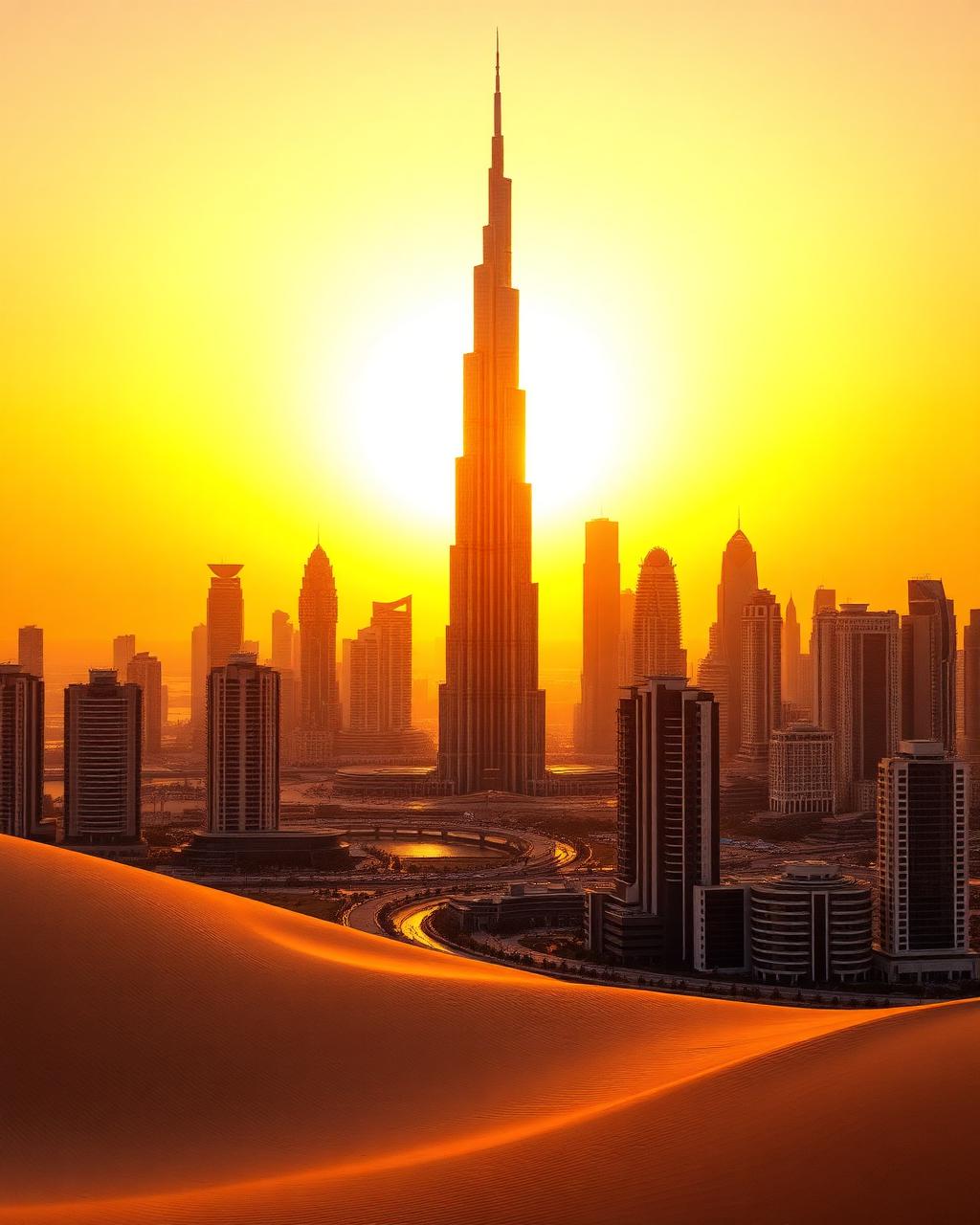
Dubai is, in most travellers' minds, a skyline. It is the Burj Khalifa, the Burj Al Arab, the malls. What most travellers do not see — because they do not stay long enough, or because no one tells them where to look — is the older city: the creek, the souks, the desert at the edge of town that was the entire city ninety years ago.
This is a two-day itinerary for the considered traveller passing through.
Where to base yourself
Skip the Marina. The hotel that gives you the best sense of the city's range is Bulgari Resort Dubai, on Jumeira Bay, an artificial island shaped like a seahorse. The villas face the Gulf; the marina has the only Italian harbour in the Middle East; the spa is the best in the city. For the urbanist, the new One&Only One Za'abeel, with its cantilevered sky-bridge, is the most architecturally ambitious hotel to open in the city this decade.
Day one: the old city
Begin in Al Fahidi, the restored historic quarter on the south side of Dubai Creek. Walk through the wind-tower houses, take coffee at the Arabian Tea House. Cross the creek by abra — the small wooden water taxis, one dirham — to the gold and spice souks of Deira. Lunch at Al Ustad Special Kabab, which has been serving the same dish since 1978 and remains one of the best meals in the city.
In the afternoon, the Etihad Museum, which tells the story of the Emirates' founding in 1971 with a clarity that the larger museums in Abu Dhabi do not match. Dinner at Orfali Bros in Wasl 51 — the most considered restaurant in the city, and the one that finally put Dubai on the global culinary map.
Day two: the desert
Leave the city by 7 a.m. with a private guide to the Dubai Desert Conservation Reserve — a private reserve the size of a small country, where the sand is the colour of a fox and the oryx still roam. The most considered camp on the reserve is Al Maha, a Luxury Collection property, but a half-day private excursion from the city is the better choice for travellers on a tight schedule.
Return for late lunch at 11 Woodfire in Dar Wasl, the only restaurant in the city worth crossing town for at this hour. The afternoon is for the Jameel Arts Centre on Jaddaf Waterfront — the contemporary gallery that has, quietly, become the most interesting art institution in the Gulf. Dinner at Trèsind Studio, which holds two Michelin stars for an Indian tasting menu that justifies every one of them.
What to skip
The Burj Khalifa observation deck, unless you have not done it before. The Dubai Mall, unless you genuinely need to buy something. The desert dune-bashing tours, which are loud and joyless. The brunches, unless you are in town for a Friday and your travelling companions insist.